



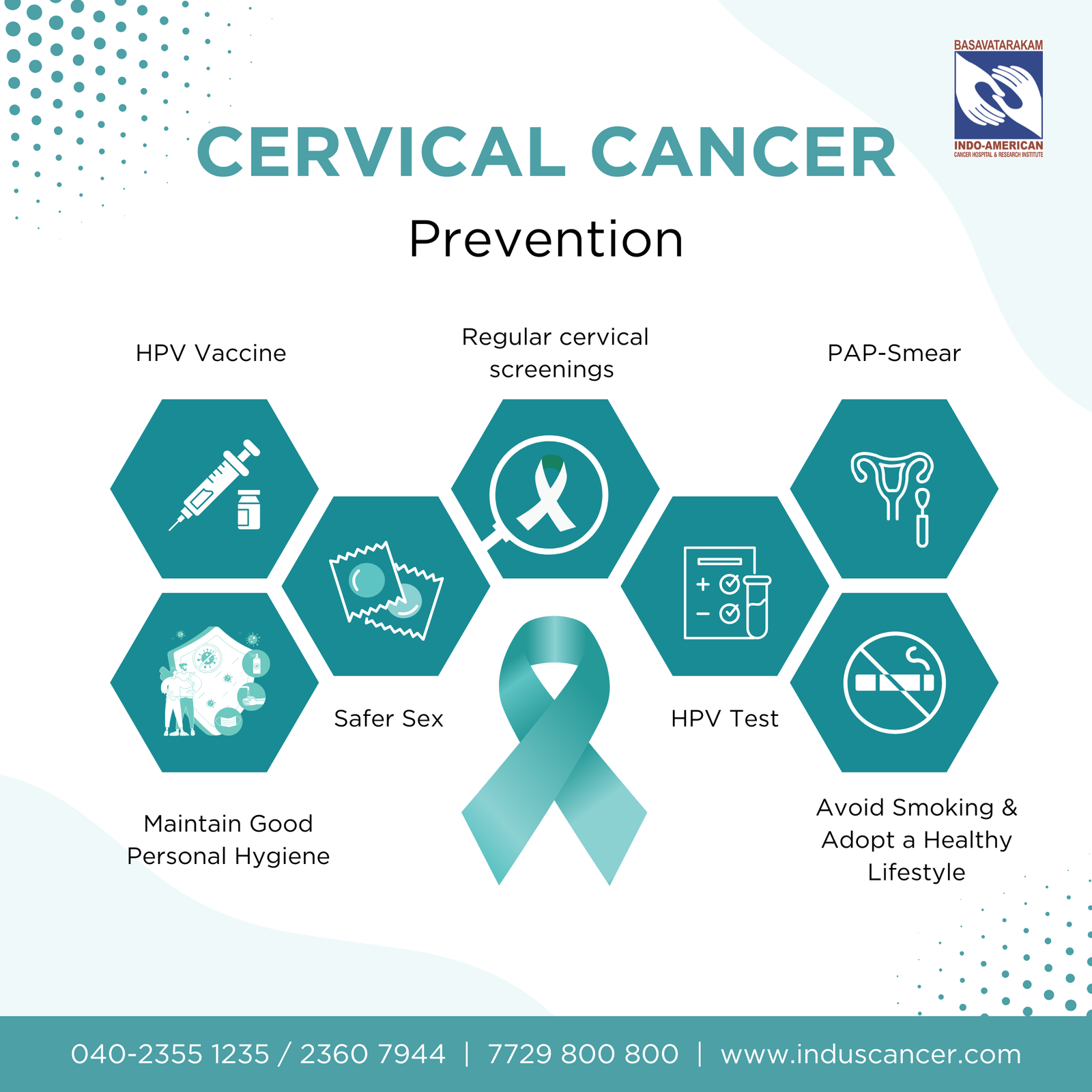
Cervical cancer is a significant health concern, affecting many women worldwide. It develops in the cells of the cervix—the lower part of the uterus that connects to the vagina. With early detection and preventive measures, cervical cancer is highly preventable and treatable. This blog post provides an in-depth look at cervical cancer, aiming to educate and inform the general public.
Cervical cancer is a major health concern, but with the right information, prevention methods, and early detection, we can significantly reduce its impact. Regular screenings, HPV vaccination, safe sexual practices, and a healthy lifestyle are key to preventing cervical cancer. If diagnosed early, cervical cancer is highly treatable.
What is Cervical Cancer?
Cervical cancer begins in the cells lining the cervix. These cells undergo abnormal changes, leading to the development of precancerous and cancerous cells. If left untreated, these cells can spread to other parts of the body.
Causes:
The primary cause of cervical cancer is persistent infection with high-risk types of human papillomavirus (HPV). Other factors that may contribute to the development of cervical cancer include smoking, a weakened immune system, long-term use of birth control pills, and having multiple full-term pregnancies.
Symptoms and Warning Signs
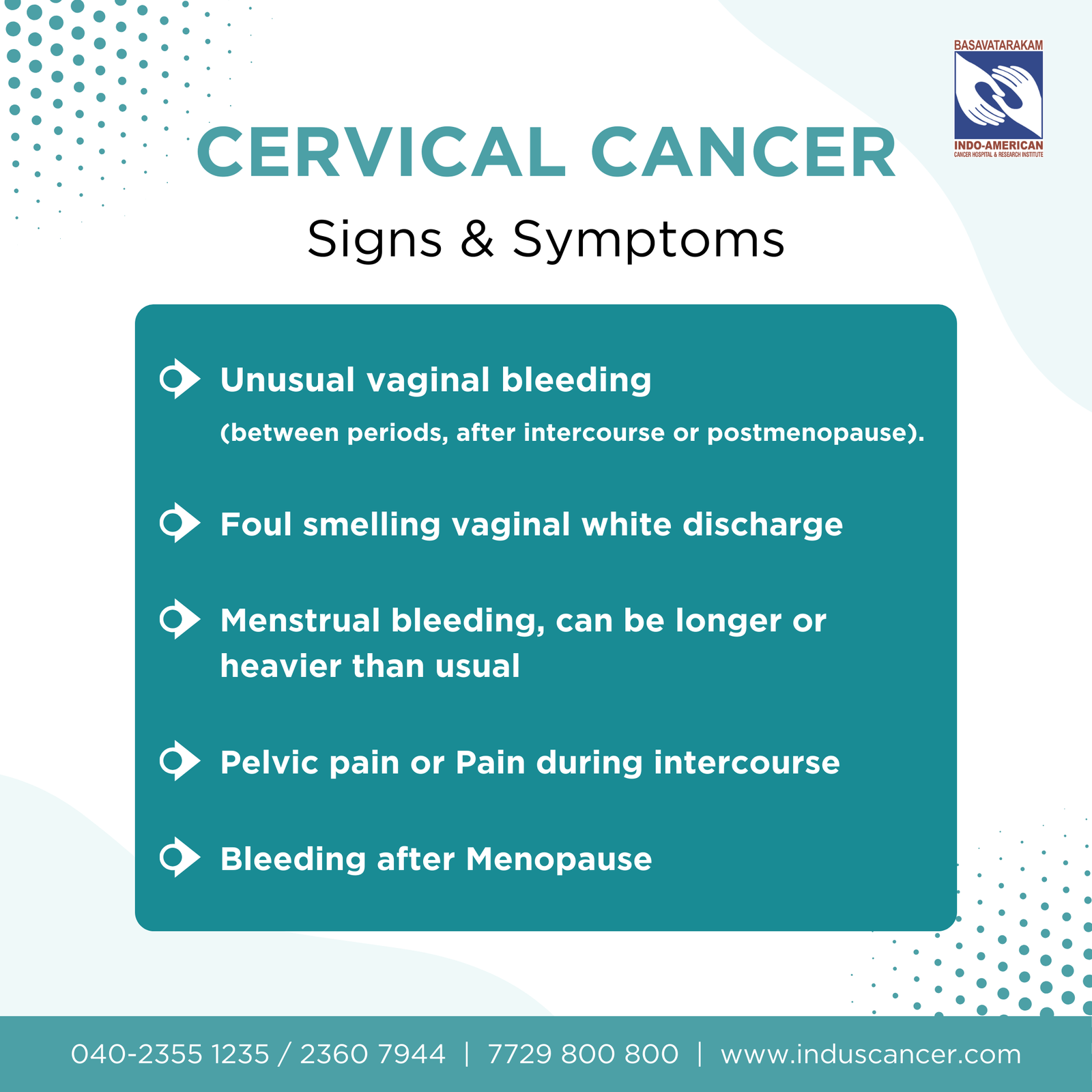
Cervical cancer often does not cause symptoms in its early stages. However, as the disease progresses, symptoms may include:
- Abnormal vaginal bleeding (after intercourse, between periods, or after menopause)
- Unusual vaginal discharge, which may be watery, pink, or foul-smelling
- Pain during intercourse
- Pelvic pain
Risk Factors
HPV Infection
Persistent infection with high-risk HPV types is the leading risk factor for cervical cancer. HPV is a common virus transmitted through sexual contact.
Other Risk Factors
- Smoking: Increases the risk of cervical cancer.
- Weakened Immune System: Conditions like HIV/AIDS can make it harder for the body to fight off HPV infections.
- Long-term Use of Oral Contraceptives: Using birth control pills for five or more years increases the risk.
- Multiple Full-Term Pregnancies: Having multiple pregnancies can increase the risk of cervical cancer.
- Family History: A family history of cervical cancer can increase the risk.
Prevention
HPV Vaccination: The HPV vaccine is highly effective in preventing infection with the high-risk types of HPV that cause most cervical cancer cases. It is recommended for both boys and girls starting at ages 11-12 but can be given as early as age 9 and up to age 45. The vaccine is administered in two or three doses, depending on the age of the recipient.
HPV Infection
Persistent infection with high-risk HPV types is the leading risk factor for cervical cancer. HPV is a common virus transmitted through sexual contact.
Other Risk Factors
- Smoking: Increases the risk of cervical cancer.
- Weakened Immune System: Conditions like HIV/AIDS can make it harder for the body to fight off HPV infections.
- Long-term Use of Oral Contraceptives: Using birth control pills for five or more years increases the risk.
- Multiple Full-Term Pregnancies: Having multiple pregnancies can increase the risk of cervical cancer.
- Family History: A family history of cervical cancer can increase the risk.
Regular Screening
Routine cervical cancer screening is crucial for early detection and prevention:
- Pap Smear: A Pap smear involves collecting cells from the cervix to look for abnormalities that may develop into cancer. It is recommended every three years for women aged 21-65.
- HPV Test: This test checks for the presence of high-risk HPV types in cervical cells. It is recommended every five years for women aged 30-65, either alone or in combination with a Pap smear.
Safe Sexual Practices
Practicing safe sex can reduce the risk of HPV infection. Using condoms and limiting the number of sexual partners can help lower the risk.
Healthy Lifestyle Choices
Adopting healthy habits can boost the immune system and reduce the risk of cervical cancer:
- Avoid Smoking: Smoking is linked to cervical cancer.
- Maintain a Healthy Diet: A diet rich in fruits and vegetables helps boost the immune system.
- Regular Exercise: Staying active supports overall health and immunity.
Screening and Early Detection
Pap Smear
A Pap smear is a simple procedure where a healthcare provider collects cells from the cervix using a small brush. The sample is then examined in a lab for abnormalities. Regular Pap smears can detect precancerous changes in cervical cells, allowing for early intervention.
HPV Test
The HPV test detects the presence of high-risk HPV types in cervical cells. It can be done at the same time as a Pap smear. Early detection of HPV allows for closer monitoring and preventive measures.
Colposcopy
If abnormalities are found during a Pap smear or HPV test, a colposcopy may be performed. This procedure involves examining the cervix with a special magnifying instrument called a colposcope to look for abnormal areas. A biopsy may be taken for further analysis.
Treatment Options
Surgery
- Conization: Removal of a cone-shaped section of abnormal tissue from the cervix.
- Hysterectomy: Removal of the uterus and cervix. In some cases, nearby tissues and lymph nodes may also be removed.
Radiation Therapy
High-energy rays are used to kill cancer cells or shrink tumors. Radiation therapy may be used alone or in combination with chemotherapy.
Chemotherapy
Drugs are used to destroy cancer cells. Chemotherapy may be used alone or in combination with radiation therapy.
Targeted Therapy
Targeted therapy involves drugs that target specific aspects of cancer cells, such as proteins involved in cell growth. This approach can be used to treat advanced cervical cancer.
Support and Resources
Support Groups
Joining support groups can provide emotional support and valuable information from others who have experienced cervical cancer. These groups offer a sense of community and understanding.
Counseling Services
Professional counseling can help patients and families cope with the emotional aspects of a cancer diagnosis and treatment. Counseling can provide strategies for managing stress, anxiety, and depression.
Educational Resources
Many organizations provide educational materials to help patients understand their condition and treatment options. These resources can empower patients to make informed decisions about their care.
Why Choose Basavatarakam Indo American Cancer Hospital for Cervical Cancer Treatment?
Experience and Expertise
Celebrating 25 years of excellence in cancer care, Basavatarakam Indo American Cancer Hospital is a leading institution in the fight against cancer.
Our team of experienced oncologists, including specialists in surgical oncology, medical oncology, and radiation oncology, is dedicated to providing the highest level of care.
Specialized Departments
- Surgical Oncology: Our expert surgeons perform complex procedures with precision to ensure the best outcomes for our patients.
- Medical Oncology: Our medical oncologists use the latest chemotherapy and targeted therapy treatments to effectively combat cancer.
- Radiation Oncology: Advanced radiation therapy techniques are employed to target cancer cells while preserving healthy tissue.
State-of-the-Art Equipment
We are equipped with the latest technology, including cutting-edge imaging and treatment systems, to provide accurate diagnoses and effective treatments.
Pioneering Advances
Basavatarakam Indo American Cancer Hospital is at the forefront of cancer research, continuously adopting innovative approaches to improve patient care.
Comprehensive Care
Our holistic approach ensures that patients receive not only the best medical treatment but also the emotional and psychological support they need throughout their cancer journey.
Support Services
We offer a wide range of support services, including counseling, support groups, and educational resources, to help patients and their families navigate the challenges of cancer.
Patient-Centered Approach
Our commitment to compassionate care ensures that every patient is treated with dignity, respect, and empathy. We prioritize individualized treatment plans tailored to each patient’s unique needs.
Success Stories
Numerous patients have trusted Basavatarakam Indo American Cancer Hospital for their cancer treatment and have achieved successful outcomes. Their stories of hope and recovery inspire us to continue our mission of excellence in cancer care.
Cervical Cancer Screening and Prevention Chart
| Age Group | Screening Test | Frequency |
|---|---|---|
| 21-29 years | Pap smear | Every 3 years |
| 30-65 years | Pap smear + HPV test | Every 5 years |
| 30-65 years | Pap smear (if HPV test unavailable) | Every 3 years |
| Above 65 years | Based on individual risk factors | Consult healthcare provider |
Conclusion
Cervical cancer is a major health concern, but with the right information, prevention methods, and early detection, we can significantly reduce its impact. Regular screenings, HPV vaccination, safe sexual practices, and a healthy lifestyle are key to preventing cervical cancer. If diagnosed early, cervical cancer is highly treatable.
Basavatarakam Indo American Cancer Hospital is dedicated to providing top-notch care, advanced treatments, and comprehensive support to patients. With our experienced team and state-of-the-art facilities, we are committed to the fight against cervical cancer and ensuring the best outcomes for our patients.
Let’s work together to spread awareness, encourage preventive measures, and support those affected by cervical cancer. Remember, early detection saves lives.
Frequently Asked Questions - FAQs
What is cervical cancer?
Cervical cancer develops in the cells of the cervix, the lower part of the uterus that connects to the vagina.
Who is at risk for cervical cancer?
Women with HPV infection, smokers, those with a weakened immune system, and women with a family history of cervical cancer are at higher risk.
Thoracic Oncology Division
Specializing in radical esophageal surgeries, lung surgeries, chest wall surgeries, and more, our thoracic oncology team offers precision treatments for lung cancer and other chest-related cancers. We combine advanced surgical techniques with radiation and chemotherapy treatments to ensure comprehensive care for each patient.
How can cervical cancer be prevented?
HPV vaccination, regular screening, safe sexual practices, and healthy lifestyle choices can help prevent cervical cancer.
What are the symptoms of cervical cancer?
Symptoms include abnormal vaginal bleeding, unusual discharge, pain during intercourse, and pelvic pain.
How is cervical cancer diagnosed?
Cervical cancer is diagnosed through screening tests like Pap smears and HPV tests, followed by a biopsy if abnormalities are found.
What are the treatment options for cervical cancer?
Treatment options include surgery, radiation therapy, chemotherapy, and targeted therapy.
Can cervical cancer be cured?
Early-stage cervical cancer can often be cured with appropriate treatment. Advanced stages may require more aggressive treatment.
How often should I get screened for cervical cancer?
Women aged 21-65 should have a Pap smear every three years. Women aged 30-65 may also have an HPV test every five years.
Is the HPV vaccine safe?
Yes, the HPV vaccine is safe and effective in preventing high-risk HPV infections that cause cervical cancer.
Myths and Facts about Cervical Cancer
Myth: Only women with multiple sexual partners are at risk for cervical cancer.
Fact: Any sexually active person can be infected with HPV, the primary cause of cervical cancer.
Myth: Cervical cancer is a death sentence.
Fact: Cervical cancer is highly preventable and treatable if detected early.
Myth: The HPV vaccine is only for young girls.
FACT: HPV affects both men and women. It can cause genital warts, penile, anal, and oral cancer in men. It can also be easily transmitted to a sex partner without either of the partners knowing.
Myth: If I have no symptoms, I don't need to get screened.
Fact: Cervical cancer often has no symptoms in its early stages, making regular screening essential.
Myth: Once you've had cervical cancer, you can't get it again.
Fact: Women who have had cervical cancer are at higher risk of developing it again and should continue regular screenings.
Myth: Pap smears are only necessary for women who are sexually active.
Fact: All women aged 21-65 should get regular Pap smears, regardless of sexual activity.
Myth: The HPV vaccine is unsafe and has severe side effects.
Fact: The HPV vaccine is safe and well-tolerated, with only minor side effects like soreness at the injection site.
MYTH: HPV vaccination can lead to infertility.
FACT: Claims of HPV vaccine-induced infertility due to premature ovarian failure are anecdotal and not backed by research or clinical trials. A recent study of over 200,000 women found no association between the HPV vaccine and premature ovarian failure.1 In fact, the HPV vaccine can actually help protect fertility by preventing gynecological problems related to the treatment of cervical cancer. It’s possible that the treatment of cervical cancer could leave a woman unable to have children. It’s also possible that treatment for cervical pre-cancer could put a woman at risk for problems with her cervix, which could cause preterm delivery or other complications.
MYTH: HPV is uncommon, and it’s unlikely I’ll be infected, so there’s no need to get the HPV vaccine.
FACT: The genital HPV infection is the most common sexually transmitted infection and there are over 14 million new infections each year in the United States. It’s so common that nearly every male and female will be infected with at least one type of HPV at least once in their lifetime. Currently, over 80 million Americans are infected.
Myth: Cervical cancer does not run in my family so I don't need to get tested
Fact: HPV (Human papillomavirus) which causes most cervical cancers spreads through skin contact during sexual intercourse with someone who already has the virus. It is not hereditary, but screening can result in early detection and effective curable treatments.
John Deo
amazing post